International Malaria Conference 2026 Highlights the Need of Global Collaboration for Malaria Elimination
International Malaria Conference 2026 Highlights the Need of Global Collaboration for Malaria Elimination
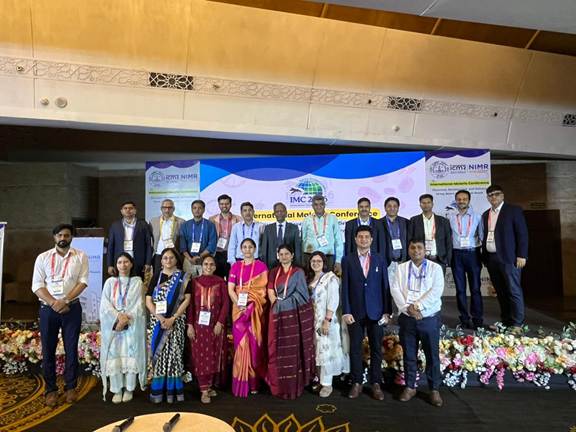
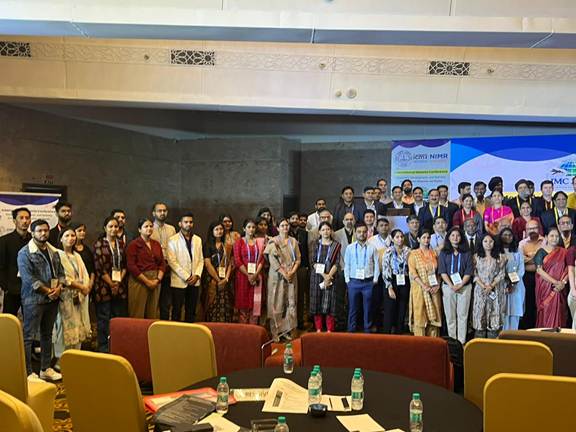
The International Malaria Conference (IMC) 2026, organized by the ICMR–National Institute of Malaria Research under the Indian Council of Medical Research, concluded successfully in New Delhi after three days of scientific deliberations and global engagement. IMC was held from 7th–9th March 2026, the conference brought together scientists, public health experts, policymakers and researchers from India and across the world to discuss innovations and strategies for malaria elimination.
The conference was held under the theme “Discovery, Development and Delivery: Driving Malaria Elimination and Beyond.” The inaugural session featured welcome remarks by Dr Anup Anvikar, Director of ICMR–National Institute of Malaria Research, who emphasized the importance of strengthening collaboration between research institutions, national programmes and global partners to accelerate progress towards malaria elimination. Dignitaries included Dr Tanu Jain, Director, National Centre for Vector Borne Diseases Control (NCVBDC), who highlighted national efforts in malaria control and elimination.
Scientific sessions & discussions under the Discovery theme focused on advances in parasite biology, transmission dynamics and emerging molecular mechanisms that influence malaria persistence and drug resistance. The Development sessions highlighted innovations in malaria diagnostics, research tools and technologies aimed at improving surveillance and detection, along with presentations by early-career researchers through turbo talks and poster sessions.
The final day focused on the Delivery theme, emphasizing the translation of scientific discoveries into effective public health interventions and operational strategies. Experts discussed approaches to address residual malaria transmission, advances in vaccine research and community-based strategies for strengthening malaria control programmes. The conference also provided an opportunity for students and young researchers to interact with leading scientists, mentors and industry experts, offering valuable perspectives on research translation, innovation and emerging career pathways in malaria research and public health. The conference concluded with a valedictory session reaffirming the collective commitment of the scientific and public health community toward accelerating malaria elimination efforts and contributing to the global vision of a malaria-free world.
*****