CARA organises its Third Regional Consultative Workshop for Central Zone in Bhopal
CARA organises its Third Regional Consultative Workshop for Central Zone in Bhopal
The Central Adoption Resource Authority (CARA), under Ministry of Women and Child Development, Government of India, successfully organised its Third Regional Consultative Workshop for the Central Zone in Madhya Pradesh, on Tuesday, 17th March 2026. The workshop was organised in collaboration with the Government of Madhya Pradesh and State adoption Resource Agency (SARA) at Ravindra Bhawan, Bhopal, Madhya Pradesh.
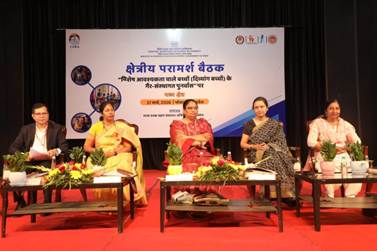
The event was graced by Ms. Nirmala Bhuria, Minister for Women and Child Development, Government of Madhya Pradesh, as the Chief Guest. Addressing the gathering, she highlighted the importance of strengthening child protection systems and encouraged greater societal participation in providing family-based care to children with special needs.
The workshop formed part of CARA’s nationwide Adoption Awareness Campaign on the theme “Promoting Non-Institutionalised Rehabilitation of Children with Special Needs (Divyaang Children)”, which seeks to encourage adoption and ensure that children grow up in supportive family environments rather than long-term institutional care.
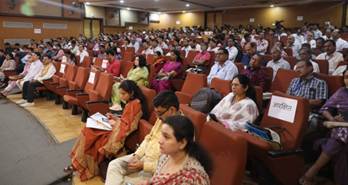
The Central Zone—comprising Madhya Pradesh, Uttar Pradesh, Chhattisgarh and Uttarakhand—accounts for the highest number of districts among all regions of the country. Reflecting this scale, the workshop witnessed around 200 numbers of participation from over 170 districts, making it a significant platform for dialogue and coordination on adoption and child rehabilitation in the region.
Officials and stakeholders from State Adoption Resource Agencies (SARAs), Specialised Adoption Agencies (SAAs), Child Care Institutions (CCIs), District Child Protection Units (DCPUs), medical professionals, Chief Medical Officers (CMOs), and child protection experts attended the workshop and engaged in discussions aimed at strengthening adoption processes and improving support systems for children with special needs.
The deliberations focused on reviewing the current status of adoption of children with special needs across States, sharing successful case studies, addressing challenges in medical assessments and legal procedures, and identifying practical solutions to improve coordination between child protection and healthcare systems. Participants also took part in group discussions to develop actionable recommendations for enhancing adoption outreach and facilitating faster rehabilitation of Divyaang children into families.
A short film depicting a successful adoption story of children with special needs was also unveiled during the workshop, underscoring the positive impact of family-based care and the importance of awareness and community support in encouraging adoption.
The workshop concluded with a shared commitment among participating States and stakeholders to strengthen collaboration, improve adoption facilitation mechanisms, and promote inclusive policies that prioritise the best interests of children with special needs. The recommendations emerging from the consultation are expected to guide future interventions aimed at expanding family-based care and ensuring holistic rehabilitation for Divyaang children across the country.
***