Approval granted for establishing Quantum teaching facilities/laboratories in 23 academic institutions across India, 100 more under consideration to support advanced research and training in emerging quantum technologies
Approval granted for establishing Quantum teaching facilities/laboratories in 23 academic institutions across India, 100 more under consideration to support advanced research and training in emerging quantum technologies
Under the National Quantum Mission, approval has been granted for establishing quantum teaching facilities/laboratories in 23 academic institutions across India in several states while 100 more are under consideration, to support advanced research and training in emerging quantum technologies.
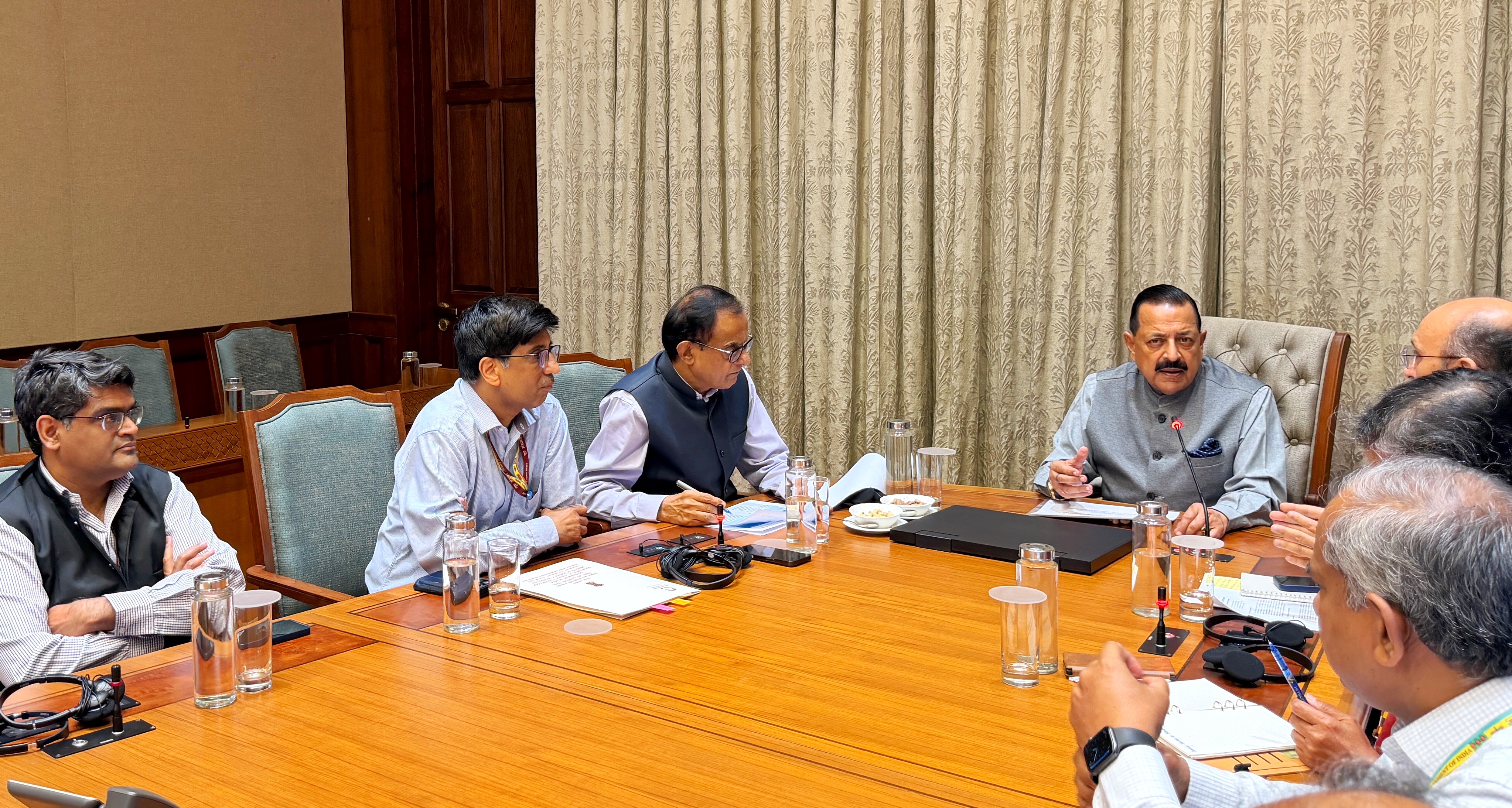
This was disclosed here today during the joint monthly meeting of Secretaries of Science Ministries and Departments, held under the chairmanship of Union Minister of State (Independent Charge) for Science & Technology and Earth Sciences, and Minister of State in the Prime Minister’s Office, Personnel, Public Grievances, Pensions, Atomic Energy and Space, Dr. Jitendra Singh. The meeting reviewed major scientific programmes, upcoming national events, and efforts to strengthen coordination among different science ministries.
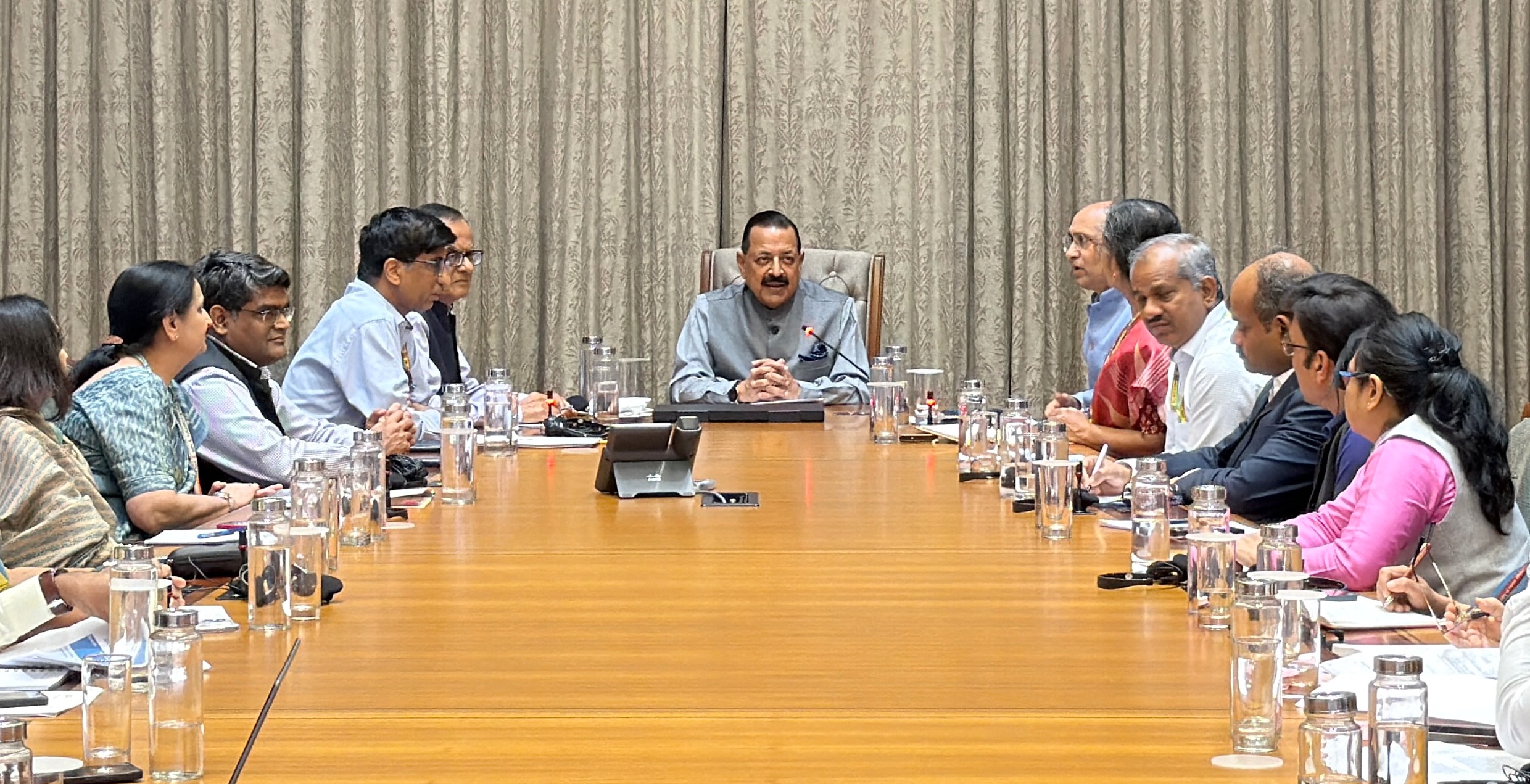
The meeting was attended by Principal Scientific Adviser to the Government of India Prof. Ajay Kumar Sood; Secretary, Department of Science & Technology Prof. Abhay Karandikar; Secretary, Department of Biotechnology Dr. Rajesh S. Gokhale; Secretary, Department of Scientific, and Industrial Research Dr. N. Kalaiselvi; and Secretary, Ministry of Earth Sciences Dr. M. Ravichandran, Dr V. Narayanan Chairman ISRO, along with senior officials from the scientific ministries and departments.
During the meeting, preparations for the India International Science Festival (IISF) 2026 were reviewed. Pune has been identified as the proposed venue, and the Department of Biotechnology has initiated work on the event framework including themes, programme structure, and logistics planning. A draft outline of the festival is being prepared and will be discussed with stakeholder agencies in the coming weeks to finalise the programme and schedule.
The meeting also reviewed the recently organised 5th RISE Conclave (Research, Industry, Startup and Entrepreneurship) hosted by CSIR at Chennai. The 2-day event brought together researchers, startups, industry leaders, and academic institutions to strengthen innovation and technology commercialization. The conclave featured panel discussions, industry interactions, and a startup expo with more than 140 stalls showcasing technologies from CSIR laboratories and institutions associated with DST, DBT, MoES, BIRAC, ISRO and universities.
The meeting also discussed plans for the National Technology Day celebrations on 11 May 2026. A large technology showcase is proposed to be organised at Bharat Mandapam in New Delhi from 11 to 13 May, where national research organisations and startups supported by scientific ministries will demonstrate their innovations. The event is expected to bring together over 3000 stakeholders and showcase more than 500 technologies and innovations across thematic sectors, providing a platform for industry engagement and technology commercialization.
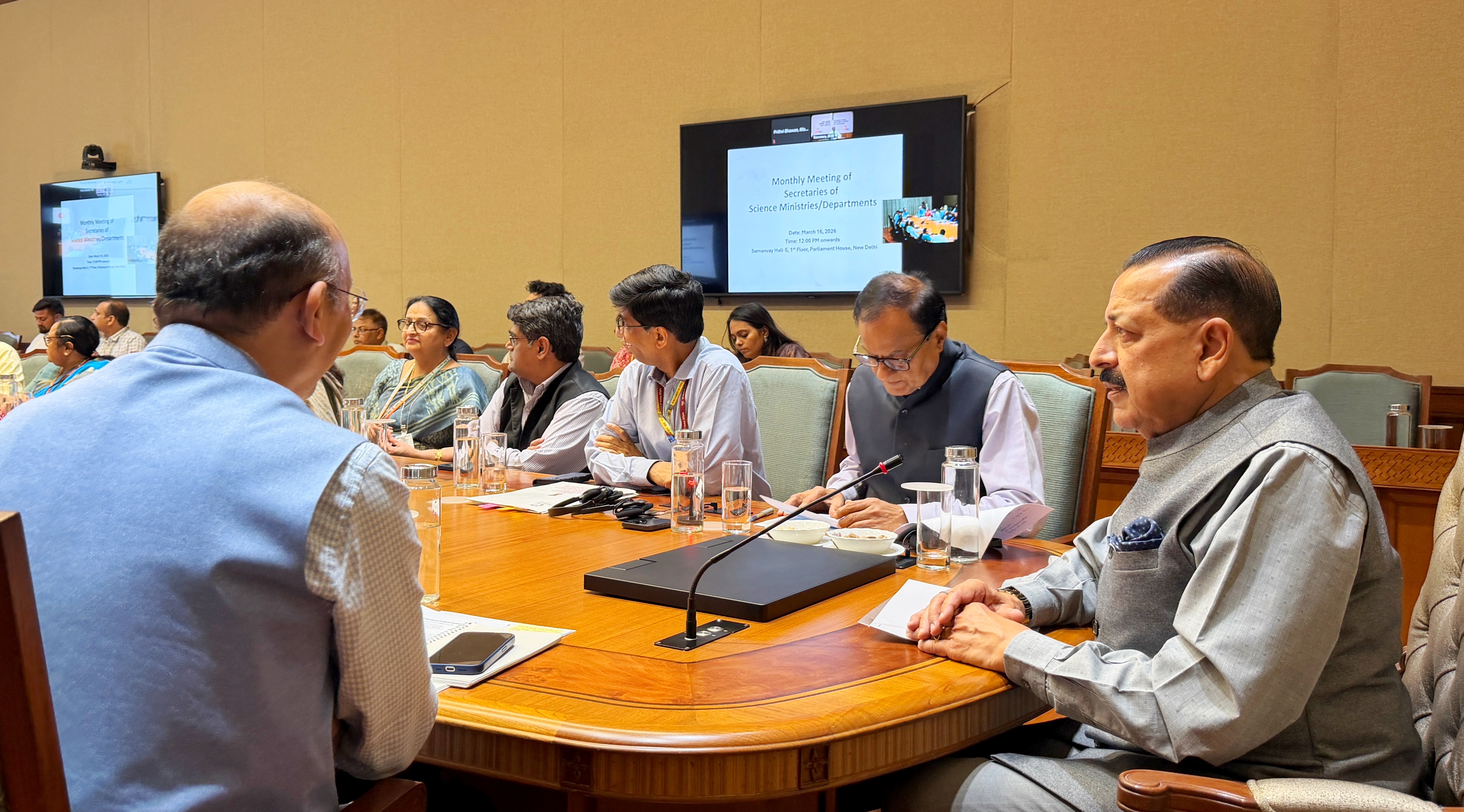
Discussions were also held on strengthening inter-ministerial and intra-ministerial coordination among science departments to promote collaborative research initiatives. Efforts are underway to encourage joint projects involving institutions from multiple scientific departments so that expertise across domains can be leveraged for national research priorities.
Updates were also shared on the progress of major scientific missions and programmes. Under the National Quantum Mission, approval has been granted for the establishment of quantum teaching laboratories in 23 institutions across India in several states while 100 more are under consideration, to support advanced research and training in emerging quantum technologies.
The meeting also reviewed updates from the space sector, including preparations for the next PSLV mission expected later this year, along with upcoming satellite launches. Plans for launching the next navigation satellite for the Navy around May were also discussed as part of India’s ongoing efforts to strengthen space-based navigation and strategic capabilities.
The meeting also discussed the revision of manpower guidelines for project staff engaged in scientific research programmes. The Department of Science and Technology is examining updates to the existing guidelines issued in 2020 so that they can be aligned with the norms notified under the Anusandhan National Research Foundation (ANRF) framework, ensuring greater uniformity across departments.
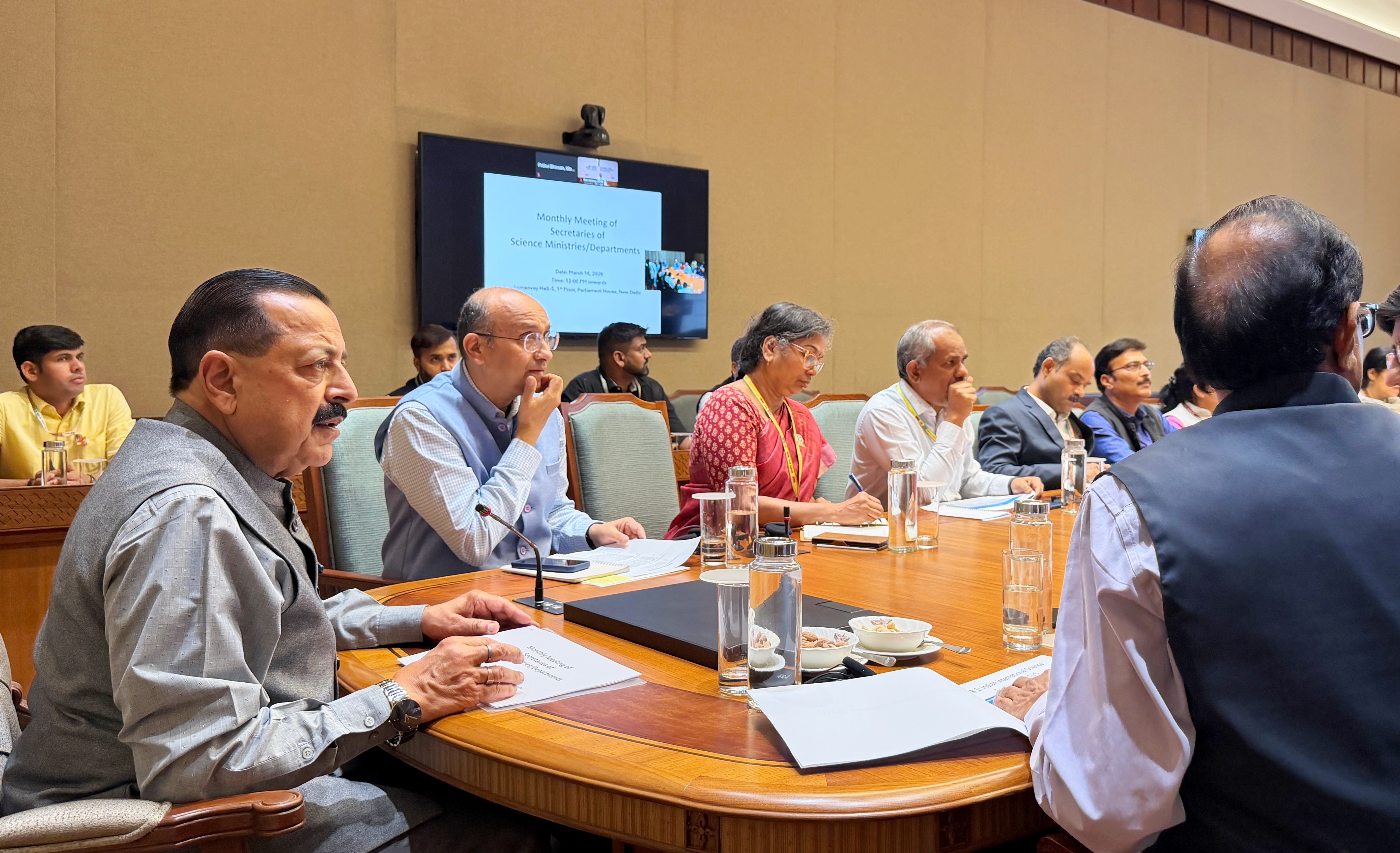
The meeting concluded with discussions on strengthening communication and outreach so that scientific achievements and innovations emerging from national laboratories receive wider public visibility and greater engagement with industry, academia, and society.